Which TBoat model should I start with?
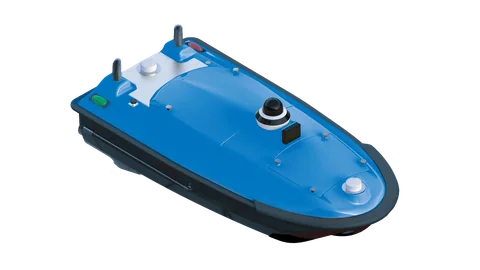
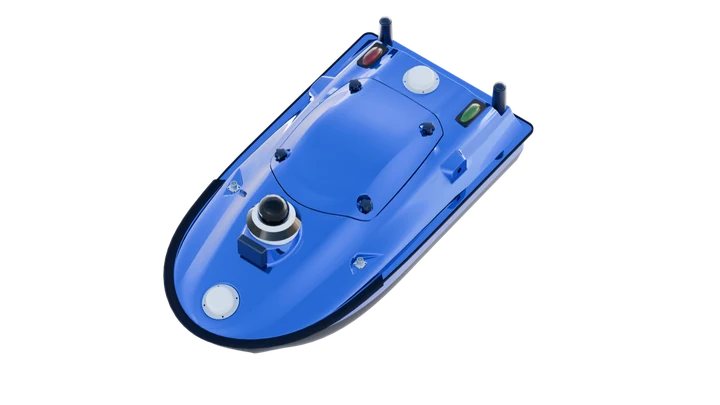
Start with the sensor package and access to the water. TBoat10 has a 35 kg published payload rating and a 980 mm hull. TBoat20 has a 50 kg rating and a 1,280 mm hull. Compare the complete equipment weight, mounting, power and launch arrangements before selecting a model.
What should I include in a quotation request?
Start with your country, the model you are considering and the water-survey task. If known, add water depth, survey area, launch access, required sensor and output format. You can send an enquiry before all technical details are settled.
What is included in a USV quotation?
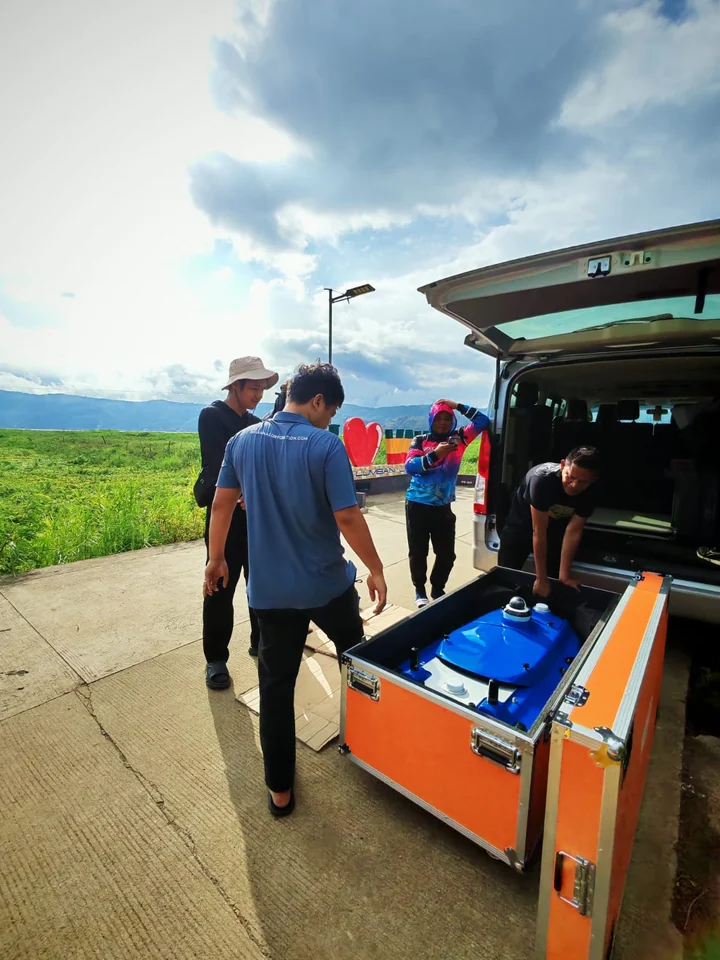
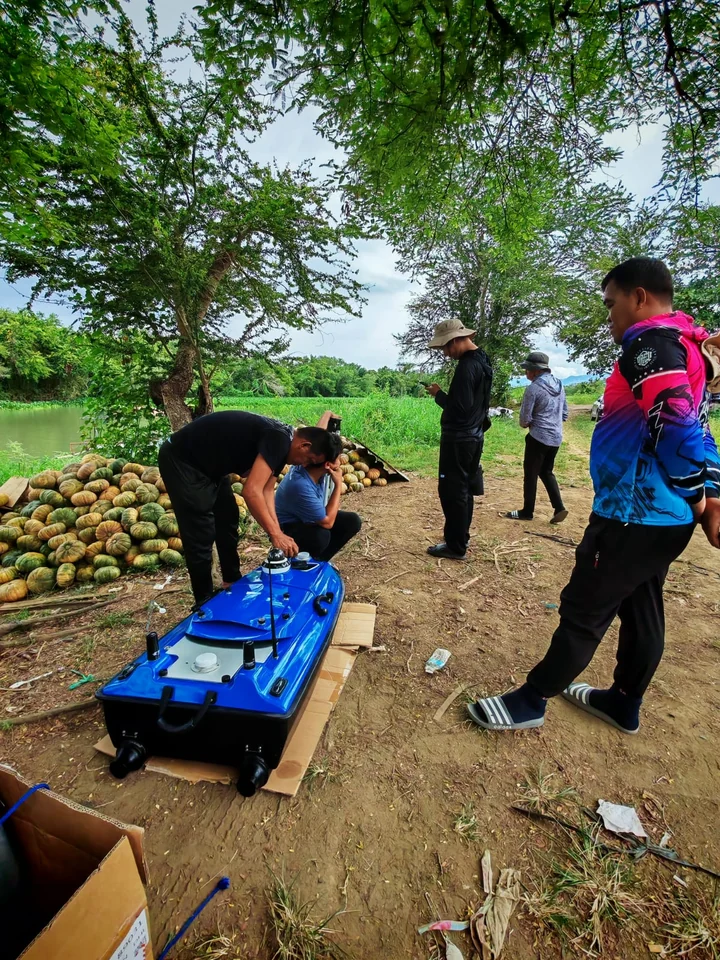
Ask for an itemised configuration covering the vessel, GNSS positioning, echo sounder, control and communication equipment, software, batteries, charger and transport case. The supplied items and options should be listed in the quotation.
Can I request a different sensor or use existing equipment?
Share the sensor model, weight, dimensions, mounting arrangement, power and data interface. The vessel and sensor need a compatibility review; payload capacity alone does not confirm a complete integration.
How should I use the published endurance figures?
Both datasheets list 7 hours at 1.5 m/s and 3 hours at 2 m/s. These are operating-condition figures, not a guarantee for every mission. Plan around the installed payload, current, route, battery condition and recovery reserve.
Can you help with commissioning and the survey workflow?
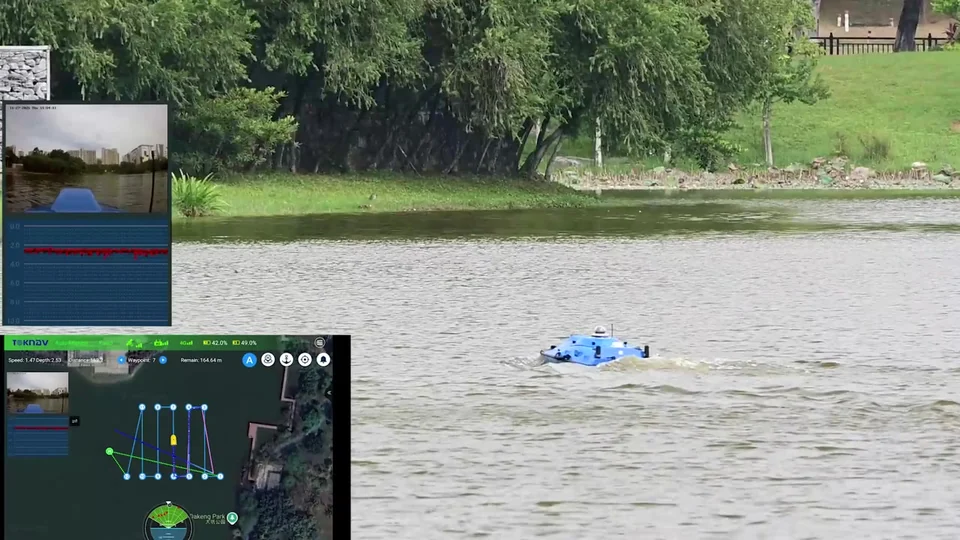
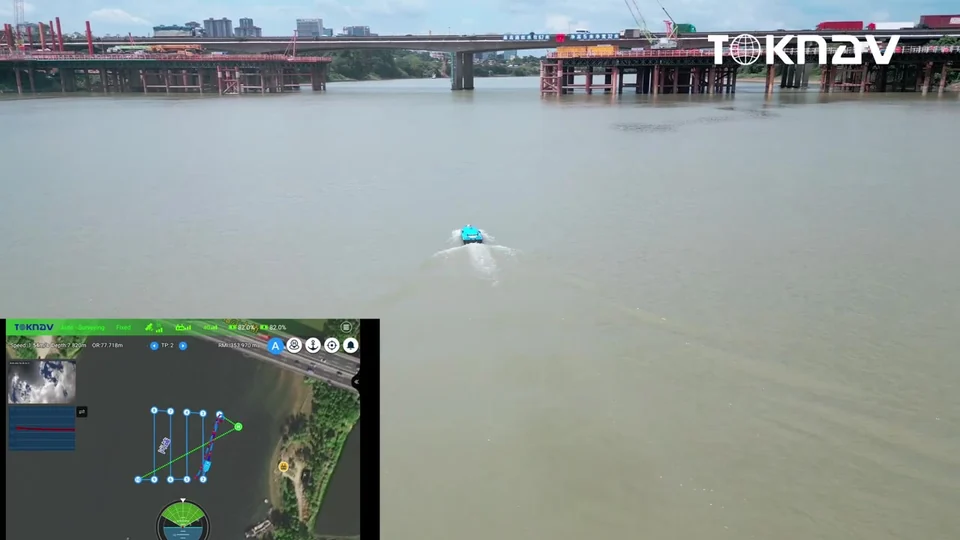
The product documents and model-specific videos cover equipment setup and survey steps. Include your operator experience, correction source and software needs so the quotation can specify the relevant setup and training scope.