
Position & corrections
Confirm GNSS positioning, CORS / NTRIP or local-base corrections, coverage and the project coordinate reference.
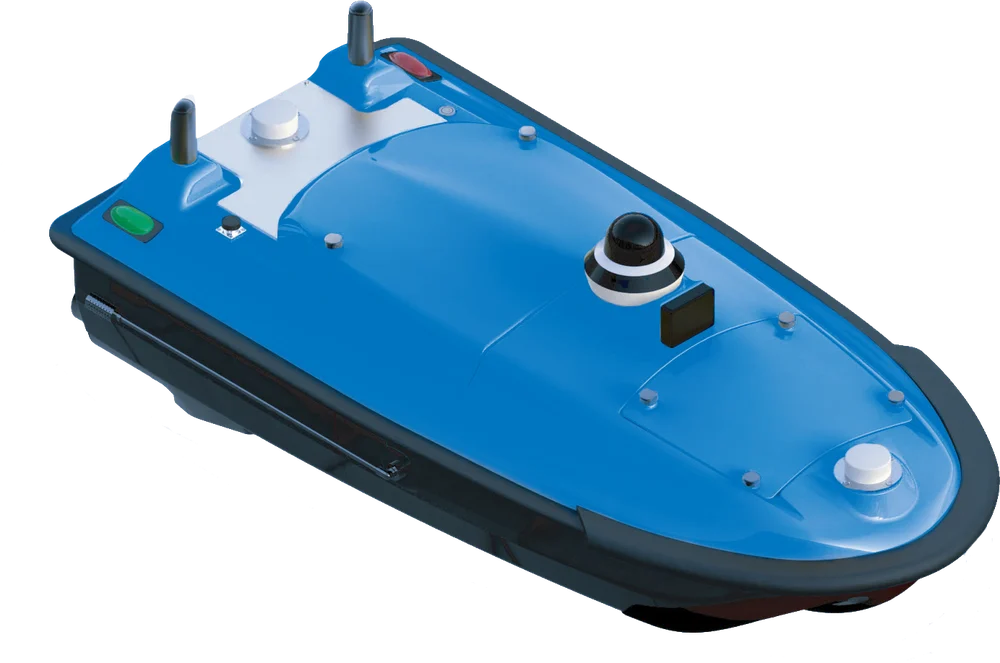
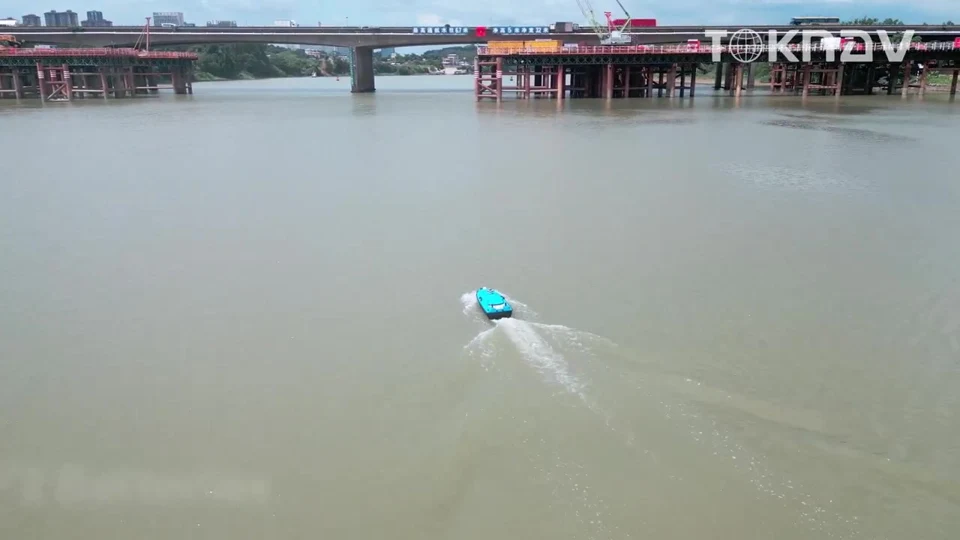
The TOKNAV TBoat20 hydrographic survey USV has a rated payload of up to 50 kg. Discuss the sonar, positioning, power and data needs of your survey when choosing a configuration.
Confirm GNSS positioning, CORS / NTRIP or local-base corrections, coverage and the project coordinate reference.
Specify water depth, transducer, mounting, sound-velocity checks and any additional sensor requirements.
Review communications, route planning, batteries, charging, survey software and the output format you need.
Start with the 50 kg rated capacity, then review sensor weight, mounting, power and balance together.
Allow for a 1,280 mm hull and 40 kg listed total mass. Confirm the delivered package and your crew’s launch and recovery plan.
The datasheet lists a 200 kHz sensor, 5° ± 1° beam and 0.15–200 m range. Confirm the supplied sensor and operating conditions.
CUSTOMER-SHARED PHOTOS
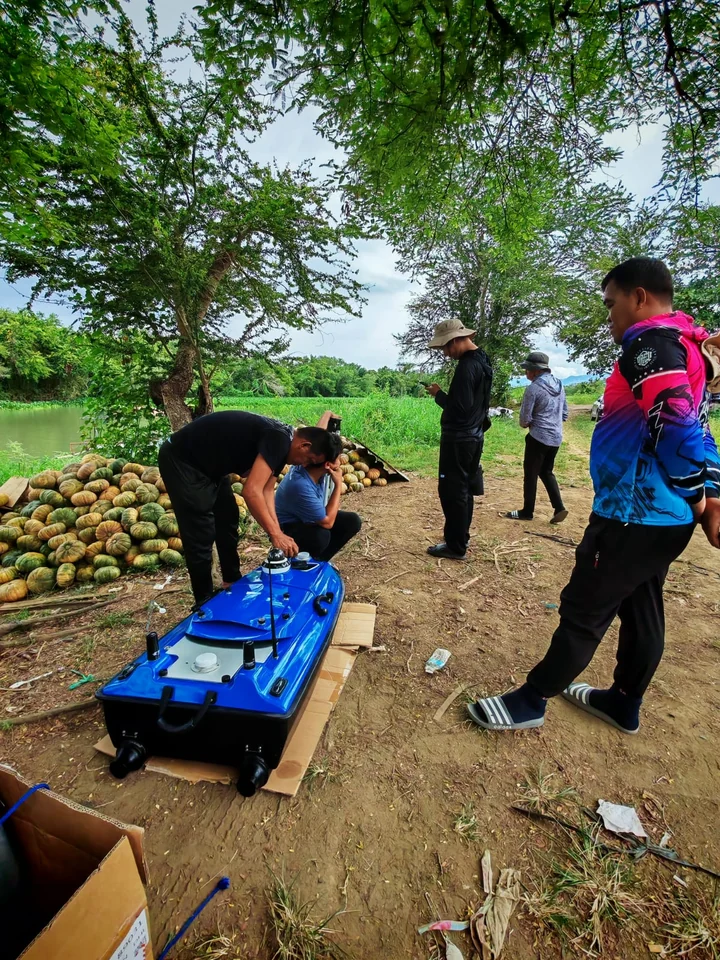
A customer team shared these photos of unpacking the equipment and preparing the vessel beside the water.
See the transport case and waterside setup as you plan handling and access for your own project.
View the field-photo record →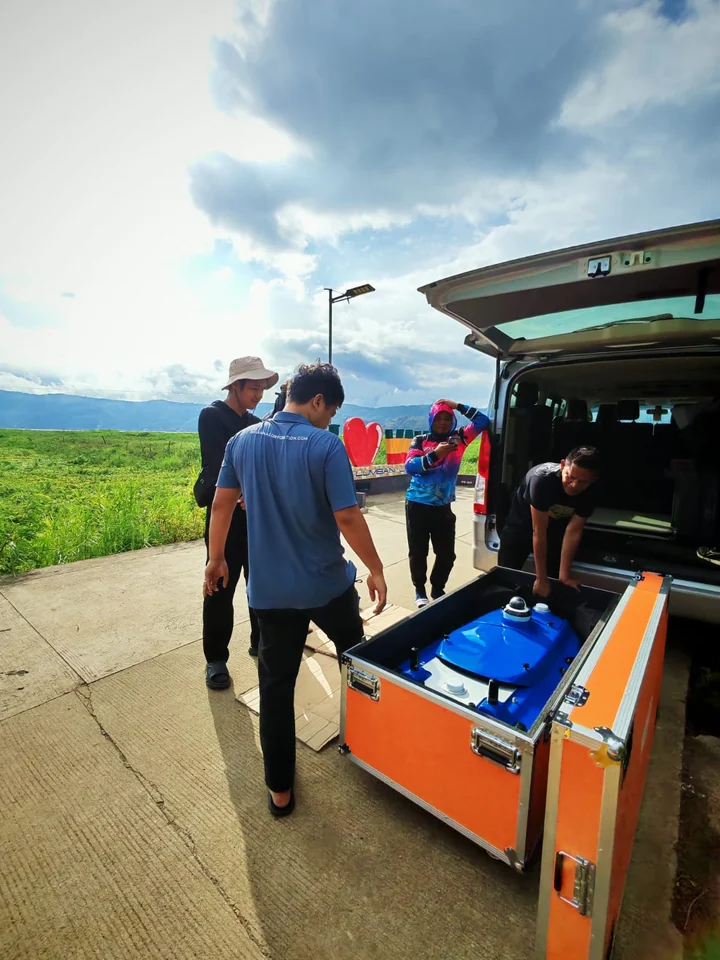
TBoat20 has a rated payload of up to 50 kg. Select sensor and mounting options against the intended survey coverage, loaded configuration and the launch and recovery site. Use the sonar checklist to identify what the quotation should include.
Send the expected depth and coverage, positioning and sonar requirements, project outputs and destination. The itemized quote identifies the selected sensor, accessories and delivery conditions.
Consider TBoat20 when your planned sensor package calls for its 50 kg payload rating and you can accommodate the larger hull and handling weight. TBoat10 offers a smaller platform with a 35 kg rating.
Start with your country, the model you are considering and the water-survey task. If known, add water depth, survey area, launch access, required sensor and output format. You can send an enquiry before all technical details are settled.
Ask for an itemised configuration covering the vessel, GNSS positioning, echo sounder, control and communication equipment, software, batteries, charger and transport case. The supplied items and options should be listed in the quotation.
Share the sensor model, weight, dimensions, mounting arrangement, power and data interface. The vessel and sensor need a compatibility review; payload capacity alone does not confirm a complete integration.
Both datasheets list 7 hours at 1.5 m/s and 3 hours at 2 m/s. These are operating-condition figures, not a guarantee for every mission. Plan around the installed payload, current, route, battery condition and recovery reserve.
The product documents and model-specific videos cover equipment setup and survey steps. Include your operator experience, correction source and software needs so the quotation can specify the relevant setup and training scope.
YOUR NEXT SURVEY STARTS HERE
Tell us where the equipment will be used and how we can help. You can ask for pricing, compare models or discuss a sensor package.