






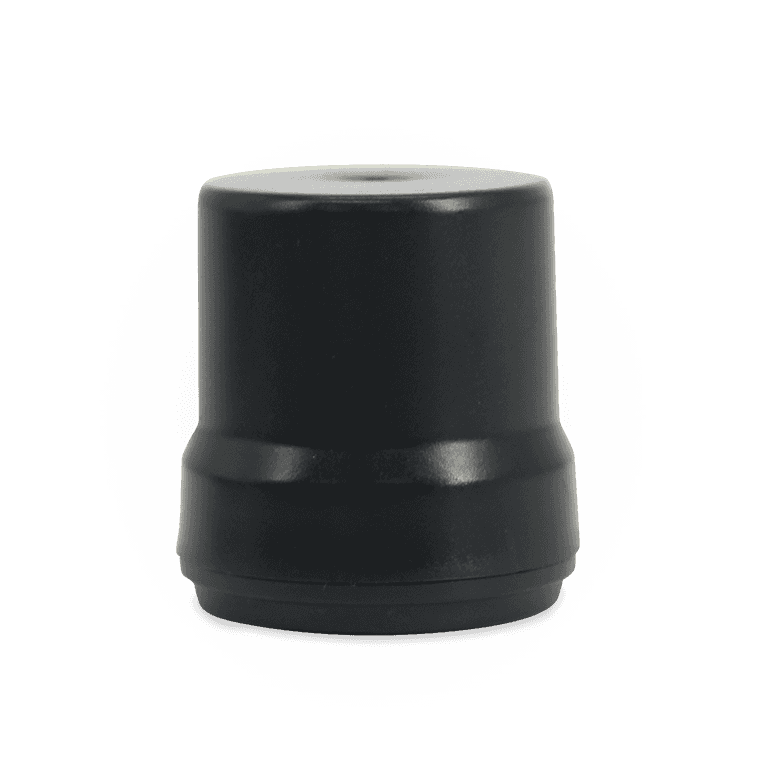
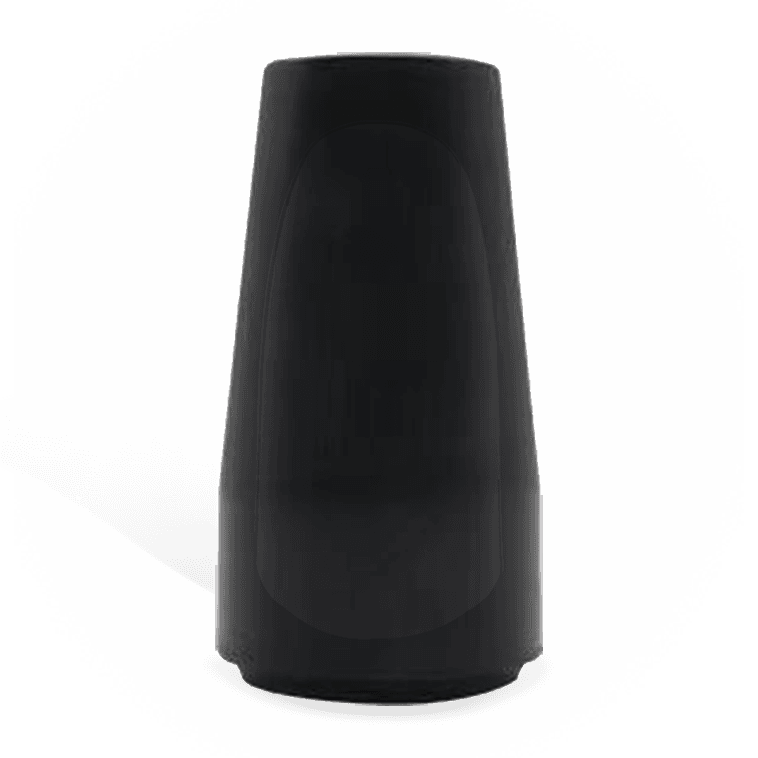
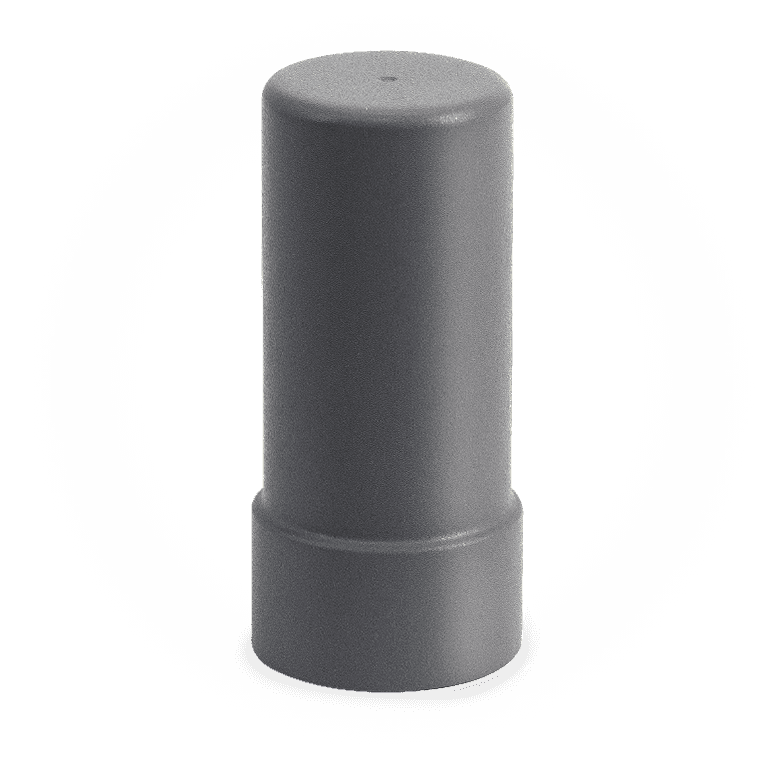

GNSS antennas buyer checks, links and FAQ
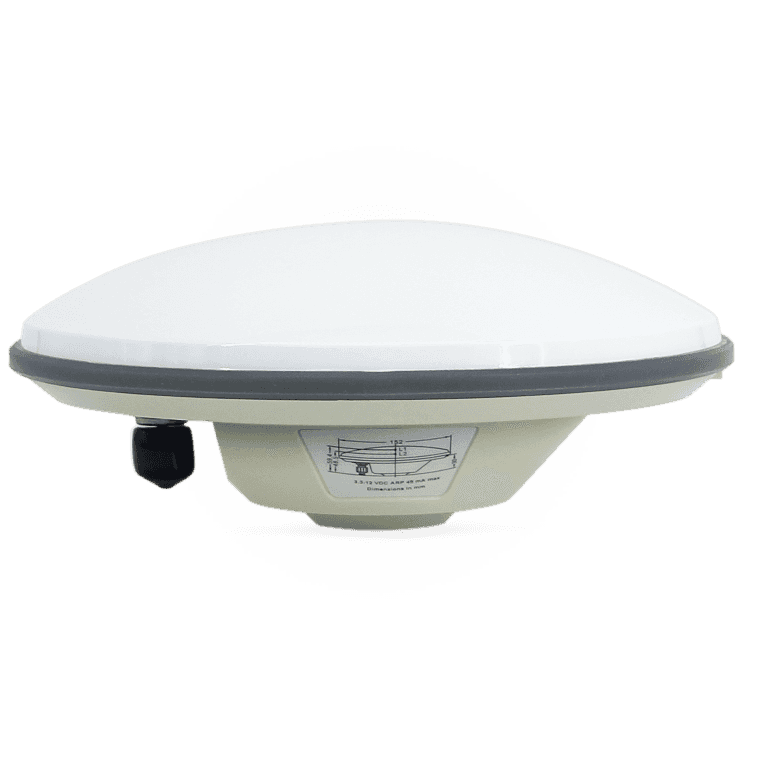
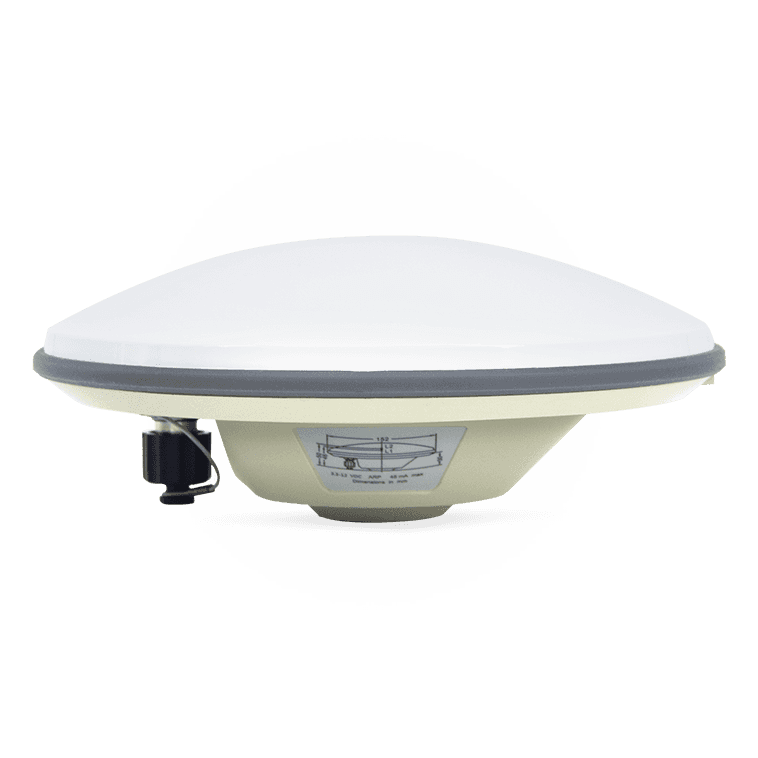
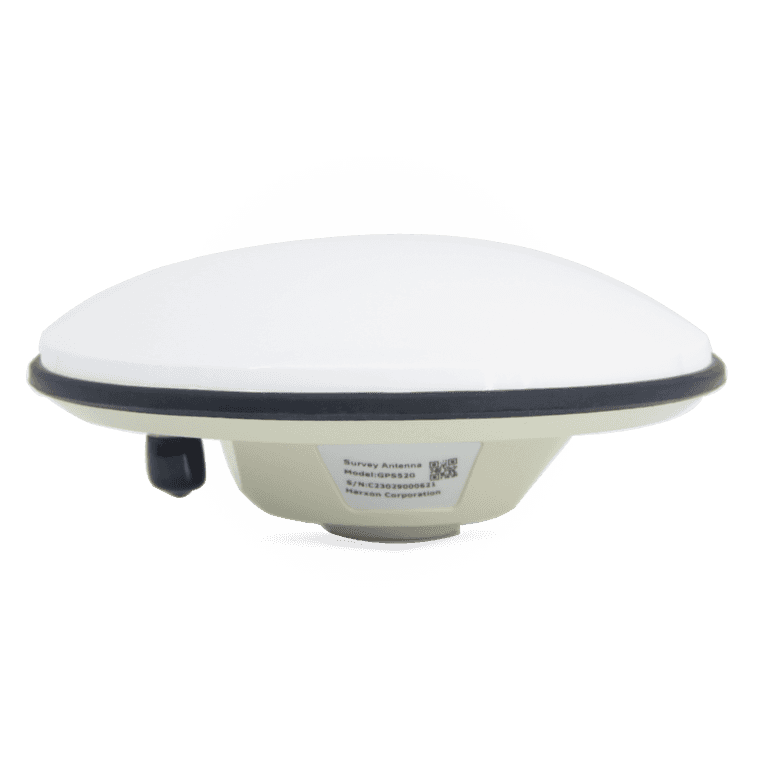
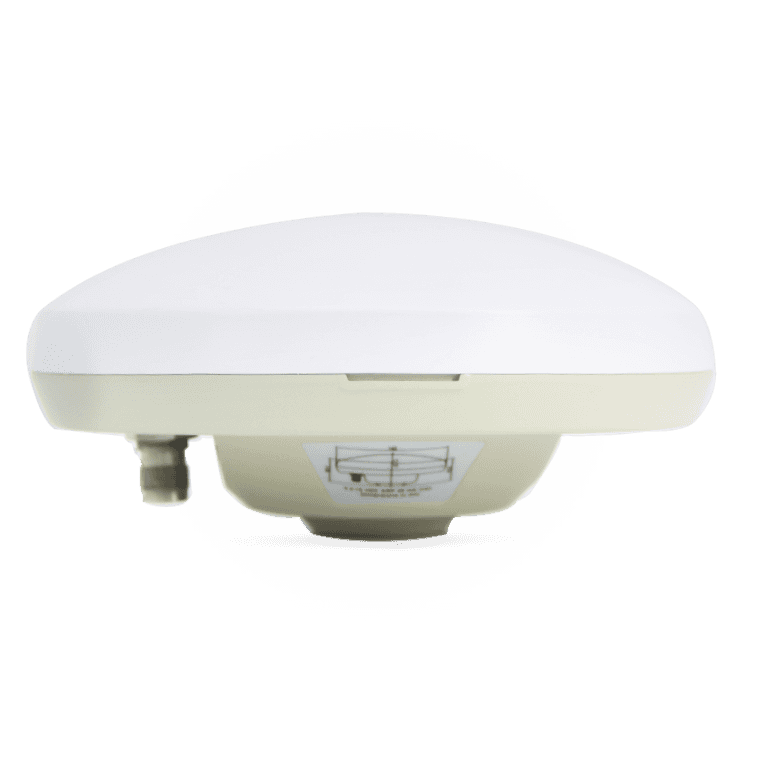
TOKNAV GNSS antennas is built for CORS reference stations, RTK base stations, monitoring and high-precision receiving systems. This page now gives buyers a clearer product summary, related TOKNAV links, resource paths and quotation support for distributors, project teams and technical evaluators.
Selection checks
- Confirm application, target accuracy, correction method and expected operating environment before selecting this product.
- Compare related TOKNAV products, datasheets and resource guides to avoid choosing a receiver, antenna, controller or software path in isolation.
- Send project location, quantity, timeline and required accessories when requesting a quotation so TOKNAV can recommend a complete package.
Related TOKNAV pages
FAQ
What is GNSS antennas used for?
TOKNAV GNSS antennas is built for CORS reference stations, RTK base stations, monitoring and high-precision receiving systems. This page now gives buyers a clearer product summary, related TOKNAV links, resource paths and quotation support for distributors, project teams and technical evaluators.
Which related TOKNAV pages should buyers compare?
Buyers should review the linked category, resource, case study and contact pages to compare specifications, applications and quotation requirements.
What should I send when requesting a quotation?
Send your country, application, target accuracy, correction method, expected quantity, project timeline and required accessories or software.
How does this page support SEO and buyer evaluation?
The page now includes the focus topic GNSS antenna, related internal links, visible FAQ content and structured FAQ data for clearer search and buyer context.