
GNSS is the collective term for satellite navigation constellations used to calculate position. GPS is one constellation; professional work often combines multiple constellations with corrections and a defined coordinate workflow.
What to check before choosing a workflow
- Separate raw satellite positioning from corrected RTK positioning.
- Confirm the coordinate system required by the project.
- Choose a receiver and correction workflow that fits the application.
What is the difference between GNSS and GPS?
GNSS is the broader term for satellite navigation systems. GPS is one of those systems. A professional receiver can use signals from more than one constellation, subject to its design, services and operating conditions.
What Is GNSS?
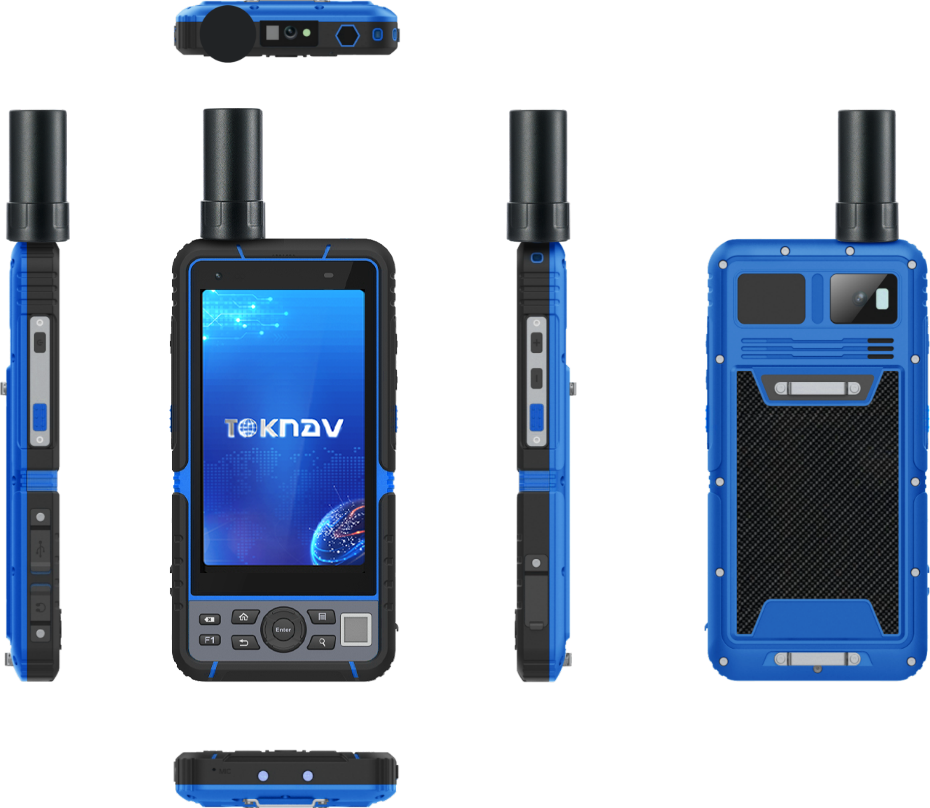
GNSS stands for Global Navigation Satellite System. It is a large network of satellites that circle Earth and send location signals down to our devices. You use GNSS every single day without even noticing it—think phone maps, delivery tracking, and even some navigation tools. This guide explains GNSS in simple, easy-to-understand words. We also show you why TOKNAV GNSS receivers are such a great choice for anyone needing reliable positioning.
What Does GNSS Stand For?
GNSS means Global Navigation Satellite System. Importantly, it is not just one single system. Instead, it includes all the global satellite navigation networks around the world. Many people often confuse GNSS with GPS. To put it simply, GPS is only one small part of the much larger GNSS family.
Main GNSS Systems
How Does GNSS Work?
Why High Accuracy Matters
Common Uses of GNSS
Why Choose TOKNAV GNSS Receivers?
Common GNSS Misunderstandings
The Future of GNSS
Final Thoughts
SEO Meta Description (Copy Directly for Use)