
GNSS Education to Product Inquiry
GNSS Sensor vs GNSS Receiver: What Should You Choose for a Positioning Project?
A GNSS sensor is often the starting point for buyers searching for positioning technology. In B2B projects, the real decision is usually whether the buyer needs a GNSS receiver, antenna, integrated positioning system or complete RTK workflow.
Author: TOKNAV GNSS Solution Team. Last updated: July 2026.
Use this guide when a project starts with a broad “GNSS sensor” requirement but still needs the right hardware path. It helps buyers decide whether they need a component, field receiver, antenna, reference station receiver or complete positioning workflow.
Download the GNSS Hardware PDF Checklist
Get a printable checklist for choosing between a GNSS sensor, receiver, antenna, reference station receiver or complete positioning workflow.
What Is a GNSS Sensor?
A GNSS sensor is a positioning component or system that receives satellite navigation signals and helps determine location, speed, timing or movement. In everyday search behavior, people may use “GNSS sensor” to describe a module, receiver, antenna, embedded positioning device or a complete RTK system.
For B2B buyers, the important question is not only the definition. The important question is: what level of positioning performance does the project need, and which hardware package will deliver it reliably in the field?
GNSS module
Usually an embedded component inside a device or machine. It may need antenna, enclosure, power, communication and integration work.
GNSS receiver
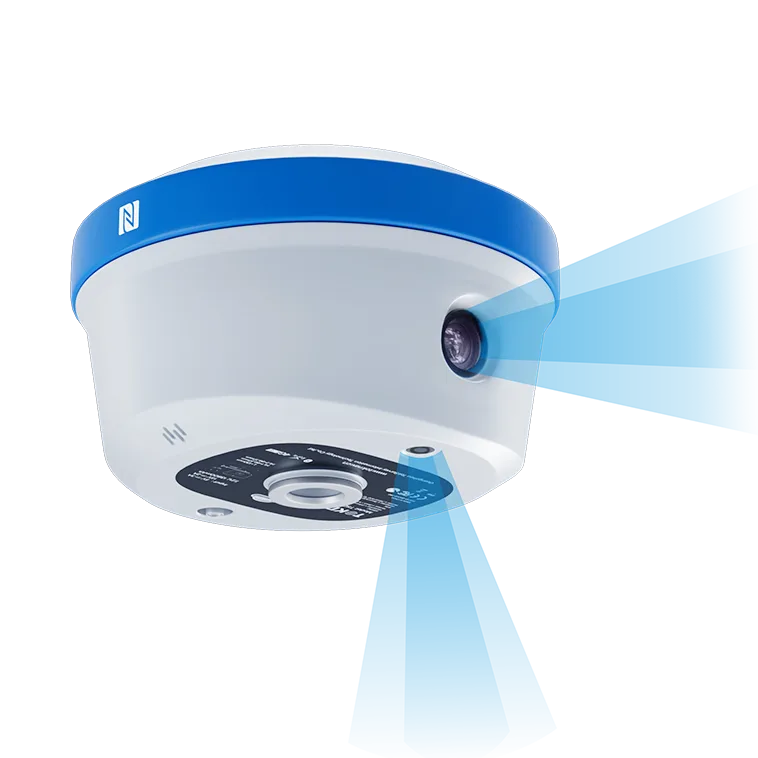
A field-ready or infrastructure-ready device used for RTK surveying, base station work, CORS/VRS, monitoring or GIS positioning.
GNSS system
A complete workflow including receiver, antenna, controller, software, correction source, data communication and support.
GNSS Sensor vs GNSS Receiver
The terms overlap in some searches, but they are not always the same in procurement. A GNSS sensor may be a component. A GNSS receiver is usually a product that receives and processes GNSS signals for a defined workflow. A complete project may need more than either term suggests.
| Buyer phrase | Likely intent | TOKNAV content path |
|---|---|---|
| GNSS sensor | Understand positioning hardware or find a component/system for integration. | GNSS receiver category |
| GNSS receiver | Compare field or infrastructure products for surveying, mapping or reference station use. | RTK receiver guide |
| GNSS antenna | Select antenna hardware for rover, base station, CORS, VRS or monitoring installations. | Antenna selection guide |
| GNSS system | Plan a complete workflow with receiver, antenna, corrections, software and project support. | Resource center |
How to Choose GNSS Hardware by Application
The right GNSS hardware depends on the application. A survey rover, sports field marking robot, CORS station, deformation monitoring project and machine control system have different requirements for update rate, correction method, antenna placement, environmental protection and data output.
Surveying and construction
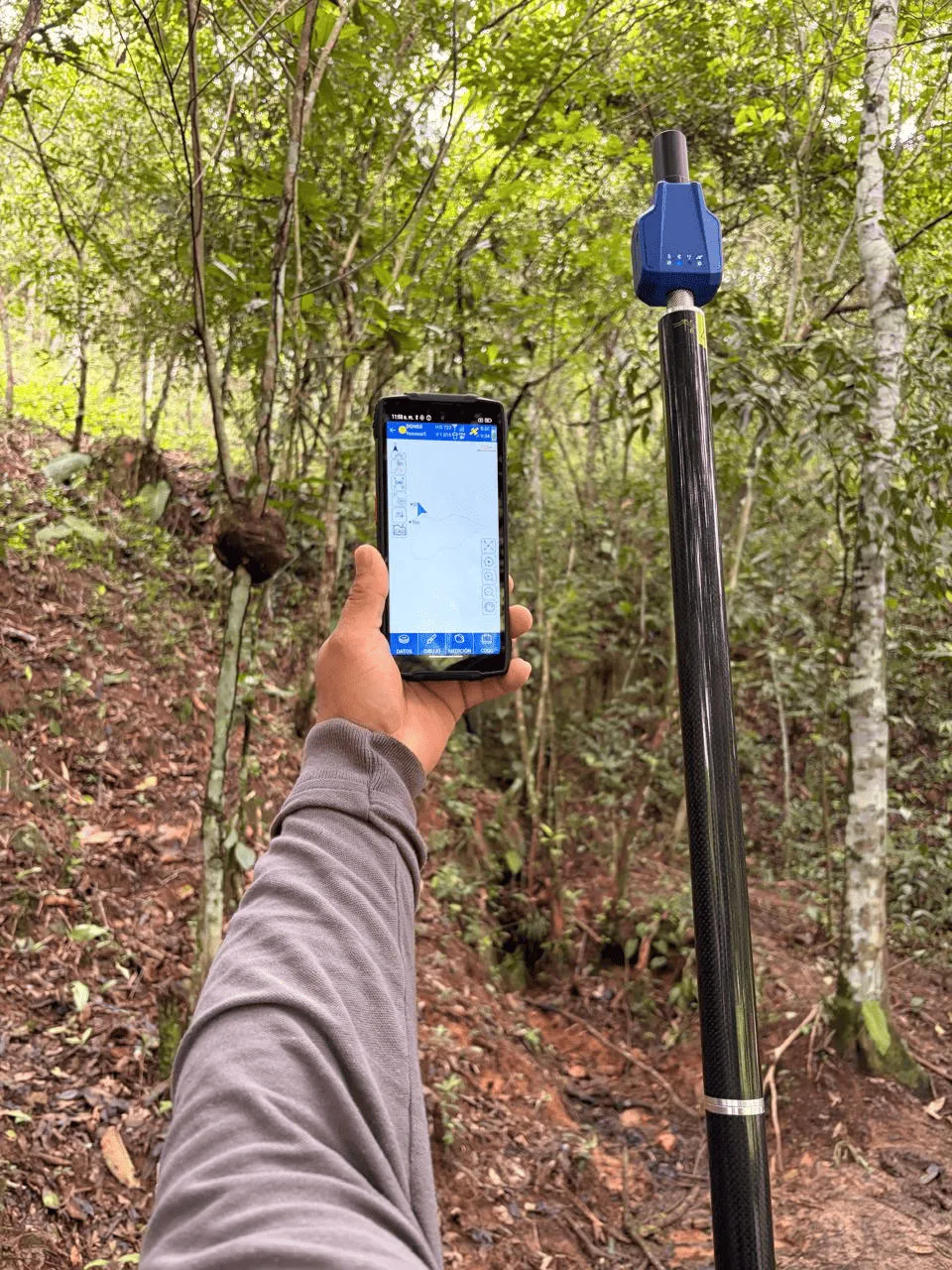
Choose a field receiver and controller workflow. Review RTK rover models, base station options, IMU tilt, software and accessories.
CORS, VRS and reference stations
Choose infrastructure receivers, antennas, station installation, data communication and correction distribution workflow.
Deformation monitoring
Plan receiver stability, antenna installation, monitoring point quantity, data interval, power and communications.
Robotics and machine control
Define positioning accuracy, update behavior, correction source, interface requirements and operating environment.
Key Questions Before Choosing a GNSS Sensor or Receiver
- What is the application: survey, construction, robotics, agriculture, monitoring, CORS/VRS or GIS?
- What accuracy level is required: meter-level, sub-meter, centimeter-level RTK or long-term monitoring stability?
- What correction method will be used: SBAS, local base, network RTK, CORS/VRS, PPP or another workflow?
- Will the hardware be installed on a pole, vehicle, robot, machine, boat, reference station or fixed structure?
- What data output, interface, software or controller workflow is required?
- What environment will the hardware face: vibration, dust, rain, heat, water, obstruction or multipath?
What to Send TOKNAV for Hardware Selection
To turn a broad GNSS sensor inquiry into a useful recommendation, send project details instead of only asking for a product list. The more specific the application, the faster TOKNAV can recommend a receiver, antenna or complete workflow.
| Information | Example |
|---|---|
| Application | RTK surveying, sports field marking robot, deformation monitoring, CORS station, hydrographic survey or machine control. |
| Accuracy target | Centimeter-level RTK, monitoring repeatability, general navigation or GIS mapping accuracy. |
| Installation | Tripod, pole, vehicle roof, robot platform, machine, fixed structure or station monument. |
| Correction method | Base-rover radio, network RTK, CORS/VRS, PPP or no correction. |
| Output and integration | Field software, NMEA, controller workflow, survey export, machine interface or monitoring platform. |
FAQ
Is a GNSS sensor the same as a GNSS receiver?
Not always. A GNSS sensor may refer to a component or positioning function, while a GNSS receiver is typically a product used to receive and process satellite positioning signals for a workflow.
Do I need an antenna with a GNSS sensor?
Most GNSS systems need an antenna, whether internal or external. High-precision RTK, CORS and monitoring workflows should plan antenna selection carefully.
What is the best GNSS hardware for robotics?
It depends on accuracy target, update behavior, correction method, installation environment and interface requirements. Share the robot workflow before choosing hardware.
Can TOKNAV support complete positioning systems?
Yes. TOKNAV can help compare GNSS receivers, antennas, base station workflows and application-specific positioning paths for B2B projects.
Need GNSS Hardware Selection Support?
Send your application, accuracy target, installation method, correction source and output needs. TOKNAV can help choose between a GNSS receiver, antenna or complete positioning workflow.