
GNSS/INS Integration
INS/GNSS Integration Guide: When GNSS, IMU and RTK Need to Work Together
Use this guide when a project needs more than a standard rover: unmanned vehicles, robots, machine control, precision agriculture, monitoring or high-dynamic positioning workflows where GNSS, IMU and RTK must work as one system.
Author: TOKNAV GNSS Solution Team. Last updated: July 2026.
Download the GNSS Hardware Selection Checklist
Get a practical checklist for receiver format, antenna, correction source, interface, installation and project information before asking for a GNSS/INS recommendation.
Searches such as INS GNSS, GNSS INS, GNSS-INS und GNSS IMU usually come from buyers who already know that satellite positioning alone is not the whole project. The practical question is when to use a normal GNSS receiver, when to use IMU-assisted RTK, and when to plan a deeper GNSS/INS integration path.
Quick Answer: What Does INS/GNSS Mean?
GNSS provides absolute positioning from satellite signals. INS, usually built around IMU sensors, estimates motion, attitude and direction from inertial measurements. When GNSS and INS are combined, the system can make positioning and attitude estimation more stable in dynamic workflows, especially when vibration, short signal blockage, multipath or vehicle movement makes a simple receiver setup less suitable.
In a professional project, INS/GNSS is not only a product label. It is a system decision involving receiver model, IMU performance, antenna placement, correction source, software, output interface, vehicle dynamics, environment and installation quality.
| Term | What it means in buying decisions | Typical TOKNAV path |
|---|---|---|
| GNSS receiver | A receiver used for satellite positioning in surveying, mapping, CORS, monitoring or machine workflows. | GNSS Receiver category |
| RTK GNSS | A high-precision positioning workflow using correction data from a base station, network RTK or CORS/VRS service. | GNSS RTK Receiver Guide |
| GNSS IMU | A receiver or system where an IMU helps with tilt, attitude, motion or short-term stability. | RTK Receiver Selection Guide |
| INS/GNSS | An integrated navigation workflow for vehicles, robots, machine control or other dynamic systems. | Technical consultation |
When Is a Standard RTK GNSS Receiver Enough?
A standard RTK GNSS receiver may be enough when the user can keep the antenna in a clear sky environment, use a normal survey pole, receive reliable correction data and operate at walking or static survey speed.
For many survey and construction workflows, buyers should first compare RTK rover models such as T50Pro, T40Pro, T20Pro und T10Pro. These receiver choices are usually driven by field productivity, correction method, IMU tilt needs, radio, visual measurement, software and accessories.
When Does IMU-Assisted RTK Matter?
IMU-assisted RTK is useful when the surveyor needs to measure points without keeping the pole perfectly vertical, work around corners or obstacles, reduce setup time, or use visual measurement features. In this case, the buyer is usually choosing an RTK receiver with IMU-supported field functions, not building a custom INS system.
Survey productivity
Use IMU tilt when field crews need faster point collection around corners, obstacles or hard-to-reach locations.
Visual workflow
Use visual measurement, AR stakeout or image-assisted field features when the project benefits from more context than a point coordinate.
Integration planning
Move beyond a rover comparison when the receiver becomes part of a machine, vehicle, robot or unmanned platform.
When Should You Consider a GNSS/INS Integration Path?
Consider a deeper GNSS/INS path when the receiver is part of a moving machine, vehicle, robot, unmanned system, agriculture platform or guidance workflow. These projects often require more than position points. They may require heading, attitude, continuous motion estimation, stable output, interface matching and installation planning.
| Project type | Why GNSS/INS may matter | Next TOKNAV page |
|---|---|---|
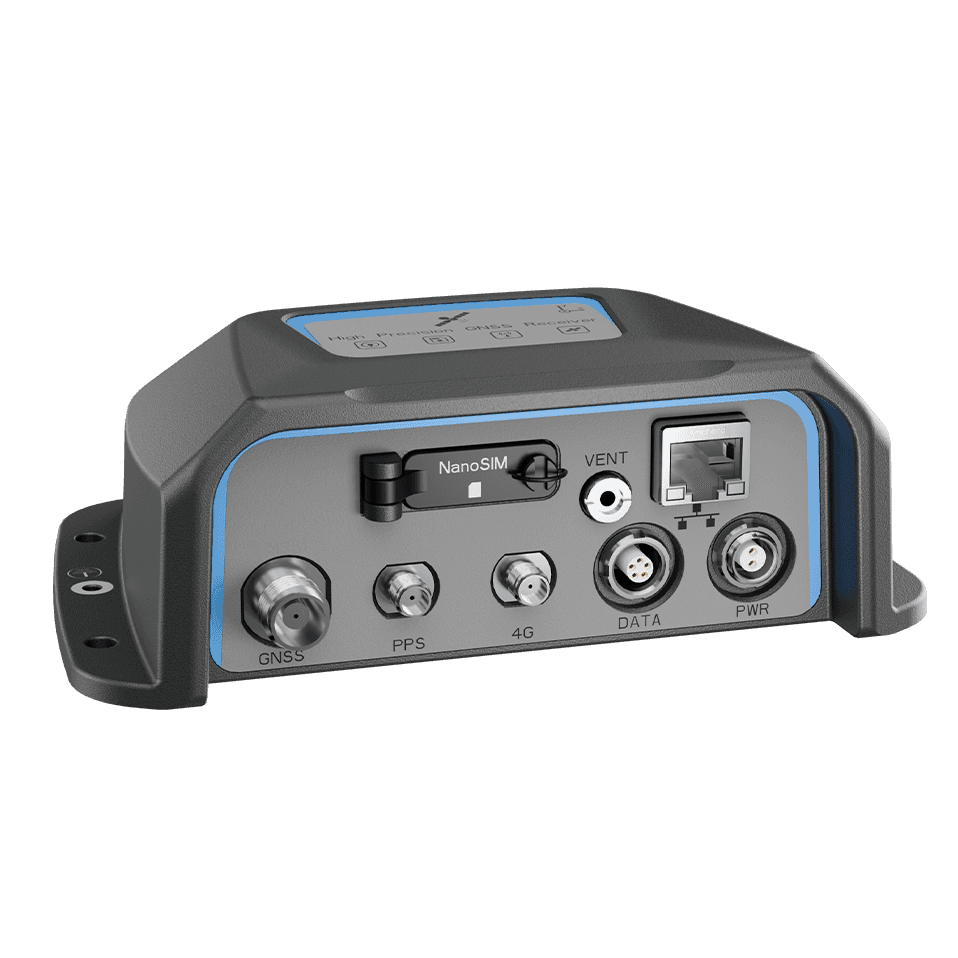
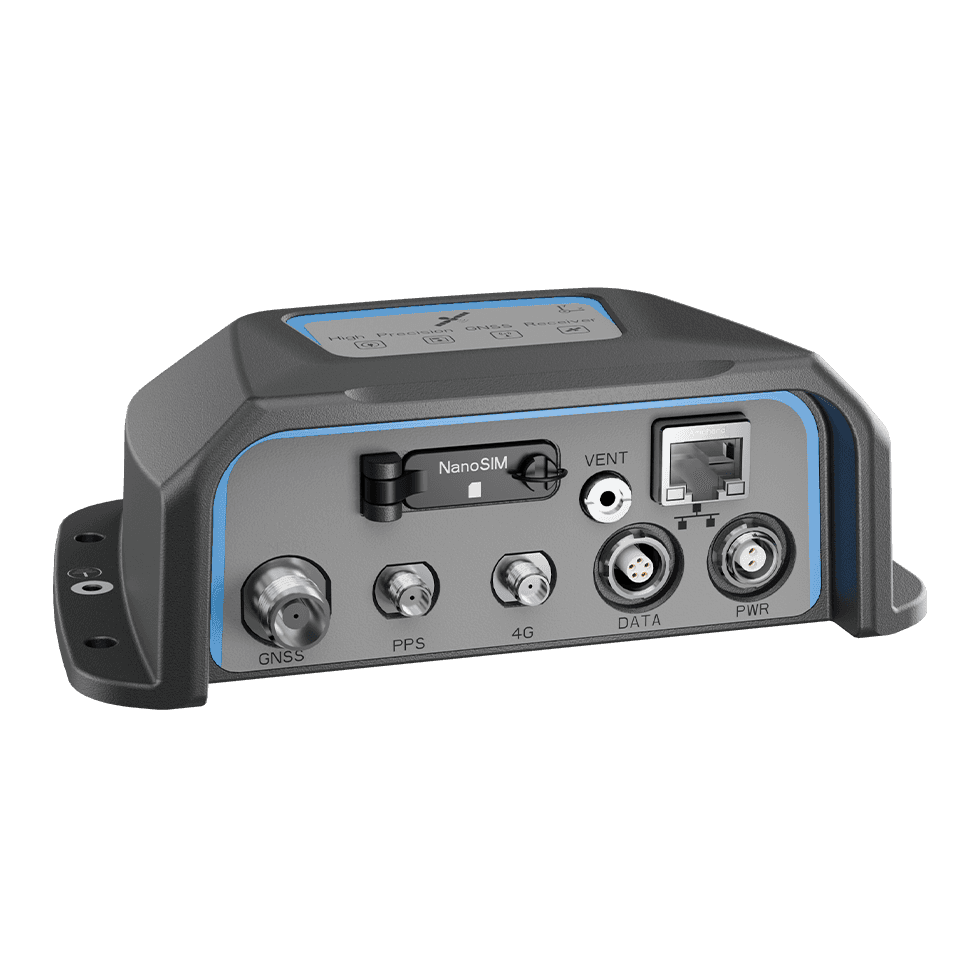
| Unmanned vehicle or robot | Dynamic movement, heading, signal blockage and integration output may matter more than a survey pole workflow. | NET660i-1U GNSS receiver |
| Machine control | The system may need GNSS positioning, sensor fusion, machine interface, design files and operator display support. | TMC10 Planierraupe 3D-Leitsystem |
| Präzisionslandwirtschaft | Guidance, steering, land leveling and long working hours require project-specific correction and installation planning. | TAG88 Automatisiertes GNSS-Landnivelliersystem |
| RTK surveying with IMU | The user may only need tilt, visual measurement and field productivity rather than a custom INS system. | RTK GNSS Receiver Selection Guide |
How to Choose Between RTK, GNSS IMU and INS/GNSS
Choose RTK for field surveying
If the project is topographic survey, stakeout, cadastral mapping or daily construction layout, start with the receiver workflow.
Choose GNSS IMU for tilt or visual productivity
If the project still uses normal survey methods but needs faster point collection, compare IMU-supported RTK rover models.
Choose GNSS/INS for moving systems
If the receiver is installed on a machine, robot, vehicle or unmanned platform, confirm installation, output and correction before quoting only a model.
Project Checklist Before Requesting a GNSS/INS Recommendation
TOKNAV can give a better recommendation if the inquiry includes the real application details. Prepare the following information:
- Application: surveying, robot, unmanned vehicle, dozer, excavator, agriculture, land leveling, monitoring or another workflow.
- Required output: position, heading, attitude, velocity, RTK fixed solution, NMEA, controller workflow or machine interface.
- Accuracy target and acceptable outage behavior during temporary signal blockage.
- Correction method: local base, radio, network RTK, CORS/VRS, PPP or no correction.
- Installation: antenna location, vehicle or machine type, vibration, cable plan, enclosure and power supply.
- Environment: open sky, urban obstruction, trees, dust, rain, vibration, multipath or indoor-outdoor transition.
- Integration needs: data rate, protocol, controller, software, design files, machine interface and technical support expectations.
- Buyer type: end user, distributor, OEM, system integrator, contractor or project owner.
Related TOKNAV Resources
- GNSS Receiver category
- RTK GNSS Receiver Selection Guide
- GNSS Sensor vs GNSS Receiver
- VRS vs RTK Base Station
- TOKNAV Resource Center
FAQ: INS/GNSS and GNSS IMU
Is GNSS/INS the same as RTK?
No. RTK is a high-precision correction workflow for GNSS positioning. GNSS/INS combines satellite positioning with inertial measurements to support motion, attitude or continuity needs in dynamic applications.
Do all RTK receivers need INS?
No. Many survey projects only need a reliable RTK receiver, correction source, controller and accessories. INS or IMU features become more important when the workflow involves tilt, visual measurement, vehicle motion, robot control or signal interruption.
Which TOKNAV product should I start with for GNSS/INS?
For field surveying, start with RTK rover models such as T50Pro, T40Pro, T20Pro and T10Pro. For unmanned or integration projects, review NET660i-1U and contact TOKNAV with the application, output and installation details.
What should I send before asking for a GNSS/INS quote?
Send the application, accuracy target, movement speed, correction method, antenna installation plan, interface needs, environment and buyer type. These details help TOKNAV recommend the right receiver or system path.
Ask TOKNAV for GNSS/INS Integration Support
If your project involves unmanned vehicles, robotics, machine control, agriculture guidance, RTK surveying or a custom positioning workflow, send the application details before choosing a model.