

CORS / Reference Station
CORS Station Setup Checklist for GNSS Reference Networks
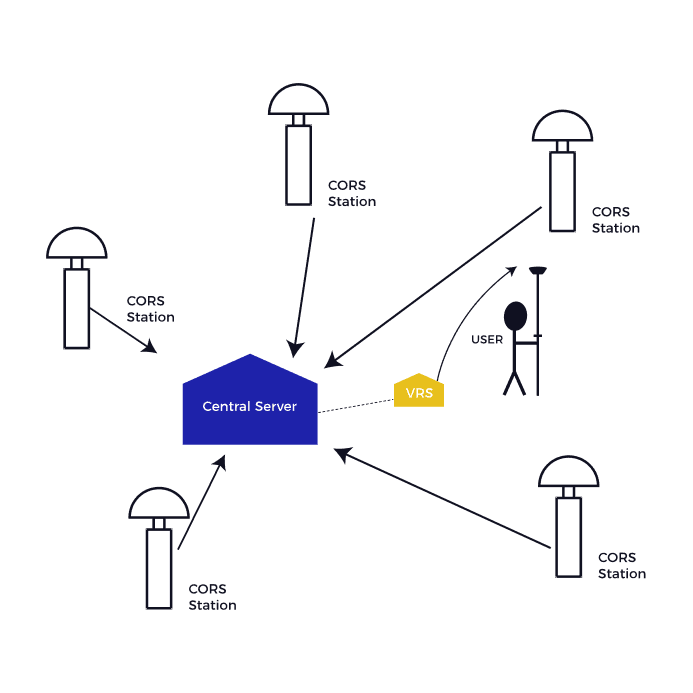
Use this checklist when planning a GNSS CORS station, VRS reference network or permanent RTK correction site. It covers the site, receiver, antenna, power, communication, testing and maintenance details that should be confirmed before quotation and installation.
Author: TOKNAV GNSS Solution Team
Reviewed by: TOKNAV Product and Field Application Team
Last Updated: July 2026
Download the CORS/VRS PDF Checklist
Get a printable CORS and VRS station planning checklist for site selection, receiver and antenna choice, power, communication, testing and maintenance handover.
A good CORS station is not only a receiver on a roof. For reliable network RTK, VRS, monitoring or reference-station operation, the project team must control the station environment, antenna installation, data communication, power continuity and maintenance workflow.
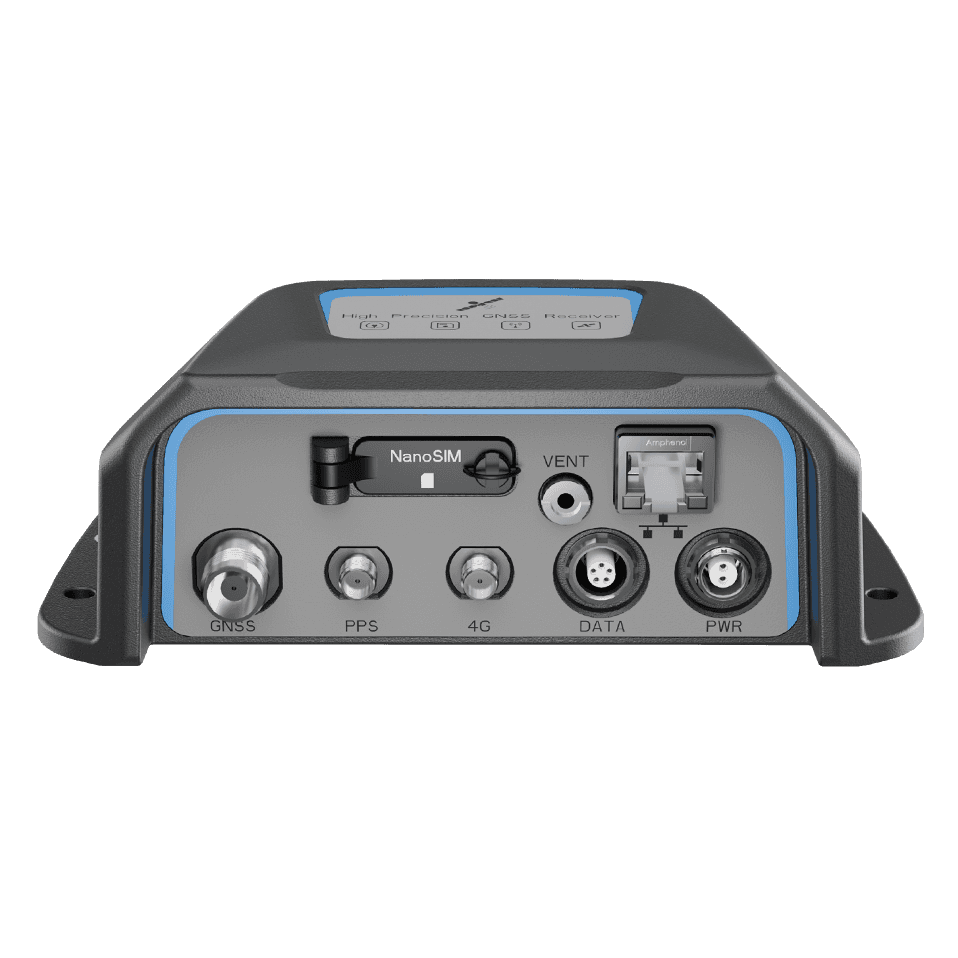
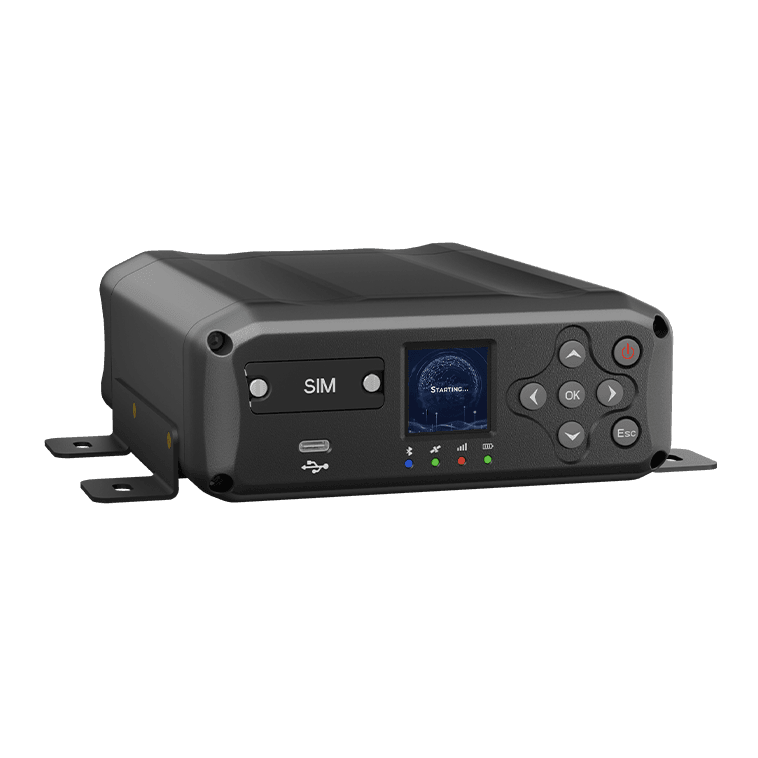
This checklist is written for survey organizations, distributors, system integrators and infrastructure owners comparing products such as NET660i, NET660, tBase und TCA920.
1. Confirm the CORS Station Purpose
Project role
- Single permanent reference station for local RTK users.
- Multi-station CORS network for city or regional correction coverage.
- VRS network RTK service for multiple rover users.
- Reference data source for monitoring, agriculture or machine control.
Buyer inputs to collect
- Country or region, coverage area and expected rover users.
- Station quantity and whether the network will expand later.
- Expected correction method, data format and service workflow.
- Target applications: surveying, construction, monitoring, agriculture or mixed use.
2. Select a Stable Station Site
Site selection is the first technical filter. A receiver with strong tracking still needs an installation point with clear sky visibility and a stable monument or mounting structure.
- Choose a location with open sky view and limited obstruction above the antenna.
- Avoid reflective surfaces, metal structures, walls, large machinery and high-voltage interference where possible.
- Confirm that the mounting point is stable and not affected by vibration or building movement.
- Check access for maintenance, cable routing, grounding and weather protection.
- Document the site with photos, coordinates, elevation, nearby obstacles and planned cable length.
3. Choose Receiver and Antenna Configuration
| Component | Selection question | TOKNAV starting point |
|---|---|---|
| CORS receiver | Does the project need permanent reference station operation, network communication and stable GNSS data output? | NET660i or NET660 |
| Base station receiver | Is this a local base-rover workflow rather than a permanent CORS network? | tBase |
| GNSS antenna | Does the site need multipath suppression and stable reference station signal reception? | TCA920 or another suitable TOKNAV GNSS antenna |
| Accessories | What cable, mounting, lightning protection, enclosure and power accessories are required? | Resource Center and project recommendation |
4. Power, Communication and Data Workflow Checklist
Strom
- Main AC or DC power source.
- Backup power or UPS requirement.
- Grounding and lightning protection plan.
- Power stability during storms, outages or remote operation.
Communication
- Ethernet, cellular, WiFi or other data link availability.
- Static IP, server access or Ntrip workflow requirements.
- SIM card, router, antenna and signal strength if cellular is used.
- Remote management and troubleshooting access.
Data
- Required data format and correction service workflow.
- Sampling rate and storage requirements.
- Monitoring dashboard or control center needs.
- Rover user access and account management plan.
5. Installation Acceptance Checklist
- Receiver firmware, settings, station name and coordinates are documented.
- Antenna mounting is stable, level, protected and photographed.
- Cables are weather protected, labeled and routed safely.
- Power supply and backup plan are tested.
- Communication uptime is tested under normal operating conditions.
- Correction data output is checked with a rover or downstream workflow.
- Station logs, photos and maintenance notes are stored for handover.
Internal Planning Links
FAQ: CORS Station Setup
Which receiver should I start with for a CORS station?
NET660i and NET660 are relevant starting points for CORS and reference station projects. The final selection should confirm station role, communication, data output and environment.
Does a CORS station need a choke ring antenna?
Many reference station projects benefit from an antenna designed for stable signal reception and multipath suppression. TCA920 is one TOKNAV option to evaluate for this role.
What details should I send before asking for a quote?
Send country, coverage area, station count, installation photos, power condition, communication plan, receiver preference, antenna environment and expected rover users.
How is this different from a local RTK base station?
A local RTK base station usually supports one project or jobsite. A CORS or VRS network is planned for permanent reference data, broader coverage and multiple users.
Request CORS Station Configuration Support
Send your country, station quantity, coverage target, antenna environment, power condition and communication plan. TOKNAV can help compare receiver, antenna and accessory options.