
Antenna Selection
GNSS Antenna Selection Guide for RTK, CORS and Monitoring
The GNSS antenna is a critical part of RTK rover, base station, CORS, VRS and deformation monitoring projects. Use this guide to compare signal support, installation environment, multipath risk, mounting, cable length and receiver compatibility.

Author: TOKNAV GNSS Solution Team
Reviewed by: TOKNAV Product and Field Application Team
Last Updated: July 2026
Download the GNSS Antenna PDF Checklist
Get a printable antenna selection checklist for receiver compatibility, signal support, mounting, multipath risk, cable planning and fixed-station installation.
A receiver can only work with the signal quality it receives. In open field RTK, the antenna choice affects setup stability and repeatability. In CORS, VRS and deformation monitoring projects, antenna installation can affect long-term data quality, multipath behavior and maintenance risk.
This guide helps buyers compare antennas for projects using TOKNAV GNSS receivers, CORS receivers such as NET660i, base station workflows and reference station antennas such as TCA920.
1. Match the Antenna to the Application
| Application | Antenna priority | Related page |
|---|---|---|
| RTK rover surveying | Portable installation, stable signal reception, compatibility with receiver workflow. | جهاز استقبال GNSS |
| Local RTK base station | Clear sky view, stable mount, cable plan and signal reliability for the project area. | VRS vs RTK Base Station |
| CORS or VRS station | Permanent mounting, multipath suppression, weather exposure, grounding and maintenance access. | CORS Station Checklist |
| Deformation monitoring | Stable installation, repeatable signal environment, protected cable routing and reliable data continuity. | Monitoring Guide |
2. Check Signal, Mounting and Multipath Conditions
Signal requirements
- Confirm receiver model and supported constellations/frequencies.
- Confirm whether the project needs RTK, CORS, VRS, monitoring or mixed use.
- Check whether future receiver upgrades should be supported.
Installation environment
- Open sky visibility and possible obstructions.
- Nearby metal, walls, water, machinery or reflective surfaces.
- Wind, rain, dust, cable exposure and maintenance access.
Cable and accessory plan
- Cable length, connector type and protection method.
- Mounting pole, monument, enclosure and grounding.
- Lightning protection and service replacement plan.
3. When to Consider a Choke Ring Antenna
Choke ring antennas are commonly considered for fixed reference station, CORS, VRS and high-precision monitoring projects because they are designed to help reduce multipath effects in demanding installation environments.
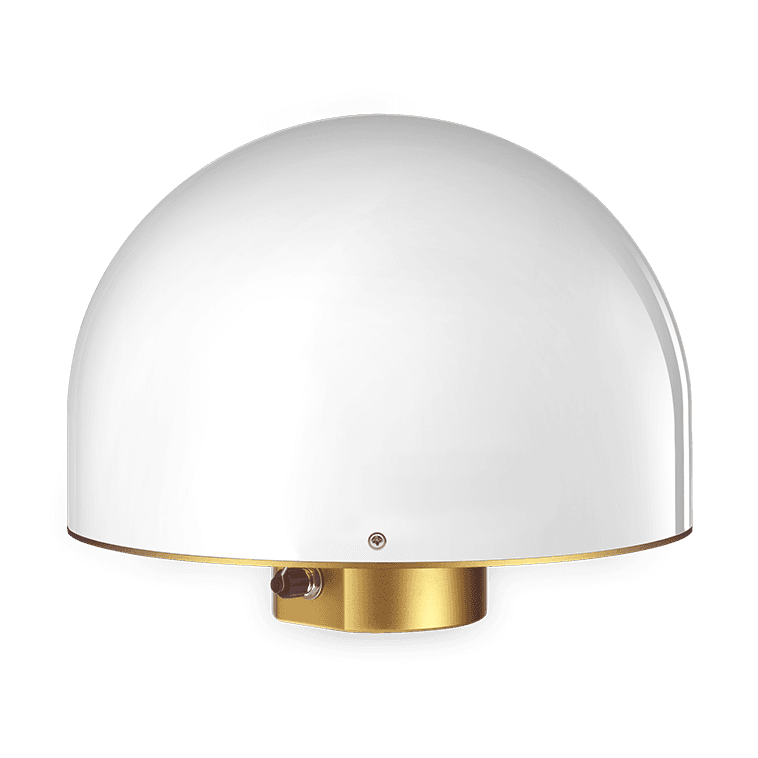
Consider a choke ring antenna such as TCA920 when the project involves a permanent or semi-permanent station, high-value correction data, long-term observation, or an environment where reflected signals may affect data quality.
4. Information to Send for Antenna Recommendation
- Receiver model and project type.
- Country, installation environment and site photos.
- Mounting method, cable length and enclosure requirements.
- Required signals, data workflow and accuracy target.
- Whether the antenna is for rover, base station, CORS, VRS or monitoring use.
Internal Planning Links
- Download antenna PDFs
- View GNSS case studies
- Plan VRS infrastructure
- Ask TOKNAV for antenna selection
FAQ: GNSS Antenna Selection
Is the antenna as important as the GNSS receiver?
Yes. The antenna affects the signal quality received by the system, especially in reference station, CORS, VRS and monitoring projects where long-term stability matters.
When should I use TCA920?
TCA920 is a relevant option to evaluate for reference station, CORS, VRS and monitoring installations where multipath suppression and stable receiving performance are important.
What information is needed to recommend an antenna?
Send the receiver model, project type, installation photos, mounting method, cable length, required signals and accuracy target.
Can one antenna fit all projects?
No. Rover, base station, CORS and monitoring projects have different installation and signal requirements. The antenna should match the workflow and environment.
Request GNSS Antenna Selection Support
Send your receiver model, project type, site photos, cable plan and required signals. TOKNAV can help compare antenna and accessory options for your GNSS workflow.